Source Multi Function Cassette Mp3 Recorder for Home, Office, and Travel
Explore 30 listings of the multi function cassette mp3 recorder featuring radio, USB, and CD playback capabilities. Buyers can compare specifications like battery life, recording quality, and material options from suppliers in Guangdong, China.
Key considerations
Products List


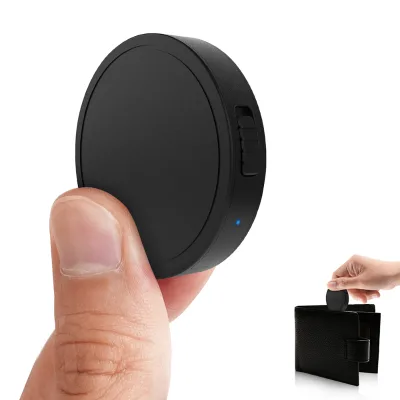


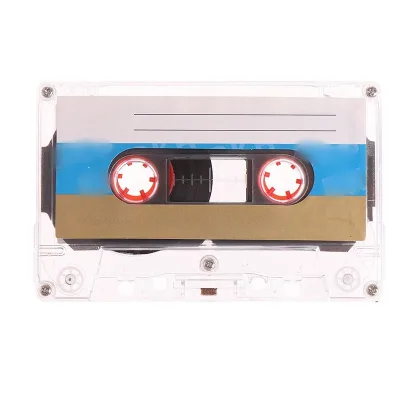
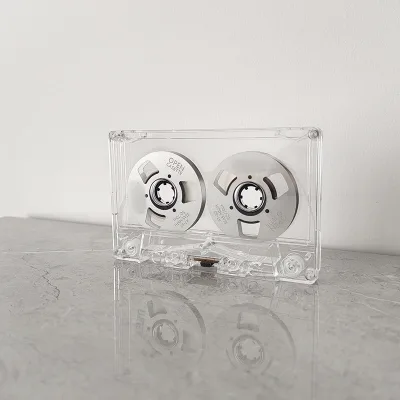
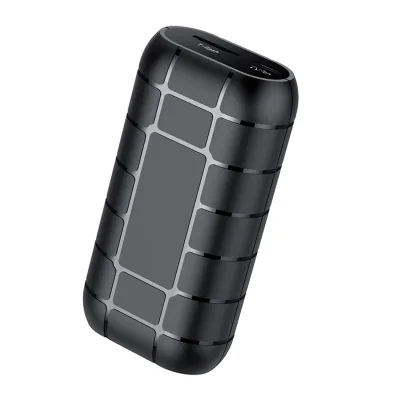



Comprehensive Sourcing Guide
Strategic Sourcing Guide for Multi-Function Cassette MP3 Recorders
The global market for multi-function cassette MP3 recorders presents a unique procurement opportunity where legacy audio formats converge with modern digital encoding capabilities. For B2B buyers, navigating this sector requires a disciplined approach that distinguishes between the physical construction of the unit, its digital recording specifications, and the regulatory compliance required for international distribution. This guide synthesizes available product data to establish a framework for evaluating suppliers, verifying technical claims, and managing the total cost of ownership for devices that combine radio, cassette, CD, and USB functionalities.
Technical Architecture and Functional Specifications
When sourcing a multi-function cassette MP3 recorder, the primary technical differentiator lies in the hybrid nature of the hardware. These units are not merely digital players with a retro aesthetic; they are complex electromechanical systems designed to handle analog tape transport while simultaneously processing digital audio files. The observed product attributes indicate a functional scope that typically includes Radio, Cassette Player, CD Player, and USB connectivity. Some advanced models extend this to include SD encoding, allowing users to digitize analog tapes directly to flash storage.
The physical construction is a critical determinant of acoustic performance and durability. Data indicates that high-quality units often utilize a composite material strategy, specifically a "Plastic Panel + MDF Wooden Case" or "MDF+PVC or Wooden/Veneer Skin." The use of Medium Density Fiberboard (MDF) is significant as it provides acoustic damping, reducing resonance and improving sound box output quality compared to all-plastic enclosures. Buyers must verify the specific material composition of the unit, as the density of the case directly impacts the "Sound Box" output capability.
Regarding digital performance, the recording quality is a key metric. Specifications for similar devices in this category have shown recording qualities up to 192 kbps, which is essential for high-fidelity archiving of cassette tapes. The file system support is equally important; observed models utilize the exFAT file system, which is necessary for handling large audio files and ensuring compatibility with modern operating systems. The interface type is also evolving, with Type C ports becoming a standard for charging and data transfer, replacing older proprietary connectors.
Compliance, Certification, and Regulatory Standards
For B2B procurement, regulatory compliance is not optional but a prerequisite for market entry. The supplied product data explicitly lists a set of certifications that are critical for electronic audio equipment: CE, LVD (Low Voltage Directive), EMC (Electromagnetic Compatibility), and RoHS (Restriction of Hazardous Substances). These certifications indicate that the device meets European safety and environmental standards.
Buyers must treat these certifications as mandatory verification points rather than optional features. The presence of the CE mark implies compliance with health, safety, and environmental protection standards for products sold within the European Economic Area. The LVD certification specifically addresses electrical safety, ensuring the device does not pose a shock or fire hazard. EMC certification is vital for ensuring the device does not emit excessive electromagnetic interference that could disrupt other electronics, nor is it susceptible to interference from its environment. RoHS compliance ensures that the manufacturing process does not utilize restricted hazardous materials such as lead, mercury, or cadmium.
While some background knowledge suggests ISO 9001 for quality management, this should not be assumed as a concrete fact for every listed product. Instead, buyers should request specific audit reports or certificates of conformity for the CE, LVD, EMC, and RoHS standards before finalizing any order. The absence of these specific certifications in a supplier's documentation is a red flag that should halt the procurement process.
Cost Drivers and Pricing Dynamics
The pricing for multi-function cassette MP3 recorders exhibits a wide variance, with observed ranges spanning from $0.35 to $995. This broad spectrum is driven by several distinct factors, primarily the complexity of the internal mechanism and the quality of the enclosure. The lower end of the price range likely corresponds to basic units with plastic casings and limited functionality, whereas the higher end reflects models with wooden veneers, advanced digital encoding, and robust build quality.
Material costs are a primary driver. Units featuring "MDF Wooden Case" or "Wooden/Veneer Skin" command a premium due to the cost of the raw materials and the labor-intensive finishing process required. Similarly, the inclusion of multiple drive mechanisms (cassette, CD, and radio tuner) increases the Bill of Materials (BOM) significantly compared to single-function devices.
The Minimum Order Quantity (MOQ) also influences the unit cost. The observed MOQ range of 1 to 2000 units suggests that buyers can source small batches for prototyping or testing, but bulk orders are necessary to achieve the lower price points. Buyers should note that customization options, such as OEM, ODM, and OBM support, are available but will invariably increase the per-unit cost and potentially the lead time. The "Sea" or "Carton" packing methods observed in the data also impact logistics costs; heavy wooden cases require specialized shipping arrangements compared to standard blister packaging.
Typical Applications and Use Cases
The versatility of these devices dictates their application across diverse sectors. The combination of analog and digital capabilities makes them ideal for legacy media preservation. Libraries, archives, and museums often require these units to digitize old cassette collections into MP3 or WAV formats for digital archiving. The ability to record at 192 kbps ensures that the digital copy retains high fidelity.
In the educational sector, these devices serve as tools for language learning and history. The radio function allows for real-time news and cultural immersion, while the cassette player facilitates the use of older educational tapes that have not yet been digitized. The USB and SD encoding features allow students to easily transfer content to modern devices.
For the consumer electronics market, these units appeal to a niche demographic seeking retro aesthetics with modern convenience. The "Standby-Time" of 100 days and "Usage Time" of over 10 hours, as seen in specific product attributes, make them suitable for long-term deployment in environments where frequent charging is inconvenient. The "Voice Activated" function and "Mp3 Player" capabilities also make them viable for personal dictation or portable recording in field settings.
Supplier Evaluation and Verification Protocols
Evaluating suppliers for this specific category requires a rigorous due diligence process that goes beyond standard vendor checks. The first step is verifying the origin of the product. The data indicates that many of these units originate from Guangdong, China, a major hub for electronics manufacturing. Buyers should confirm the specific factory location and request a site audit if the order volume justifies it.
The "Brand Name" attribute in the data is listed as "Brand Name" for some entries, suggesting that many suppliers offer white-label or OEM services. Buyers must clarify whether they are purchasing a branded product or a generic unit that will be rebranded. The availability of "OEM, ODM, OBM" support indicates a high level of customization, but it also requires clear contractual agreements regarding intellectual property and design ownership.
Quality control during the supplier evaluation phase should focus on the consistency of the "MDF" construction and the reliability of the mechanical tape transport. Buyers should request samples to test the "Magnetic Strength" and the smoothness of the cassette mechanism. The "Battery Capacity" and "Charging Time" are also critical; for instance, a battery capacity of 56 mAh or 440 mAh must be verified against the claimed "Usage Time" to ensure the device meets the operational requirements of the intended application.
Quality Control and Long-Term Procurement Considerations
Implementing a robust quality control (QC) plan is essential for managing the risks associated with multi-function audio devices. Given the mechanical nature of the cassette drive, QC protocols must include stress testing of the tape transport mechanism to ensure it does not jam or damage tapes over time. The "Warranty" period, observed as 1 year in some specifications, should be a baseline requirement. Buyers should negotiate extended warranty terms for bulk orders to mitigate the risk of mechanical failure.
Long-term procurement considerations also involve the supply chain resilience. The "Lead Time" and "Production Capacity" are not explicitly defined in the provided data but are critical for inventory planning. Buyers should establish a relationship with the supplier that includes regular production updates and a buffer stock strategy. The "Single package size" and "Single gross weight" data points are useful for logistics planning; for example, a single package size of 12x11x3 cm and a weight of 0.150 kg indicate compact, lightweight units that are easy to ship, whereas larger wooden units will require different freight calculations.
Furthermore, the "File System" compatibility must be maintained. As operating systems evolve, the exFAT support observed in current models must be future-proofed to ensure continued usability. Buyers should also consider the "Standby-Time" and "Battery Life" in the context of the device's lifecycle. A device with a 70-hour battery life or 100-day standby time offers significant value in remote or low-maintenance environments.
Comparative Analysis of Product Attributes
To facilitate decision-making, the following table summarizes the key attributes observed in the product data, highlighting the variations in specifications that buyers should consider during the selection process.
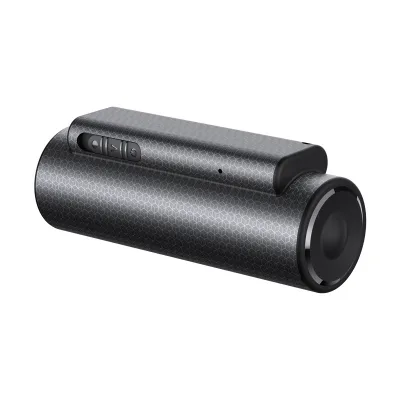
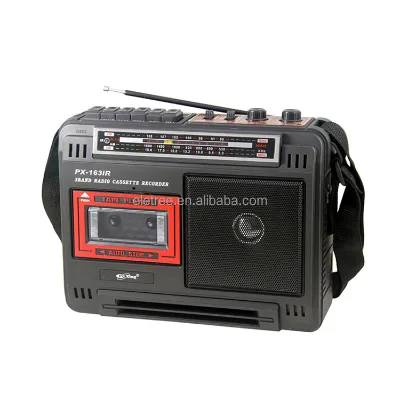
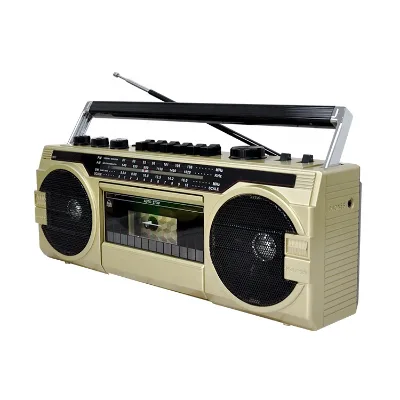
| Attribute Category | Observation A (Compact/Digital) | Observation B (Retro/Wooden) | Observation C (Portable/Recorder) |
|---|---|---|---|
| Primary Material | ABS + Aluminum Alloy | MDF + PVC / Wooden Veneer | Plastic Panel + MDF Wooden Case |
| Key Functions | Mp3 Player / Voice Activated | Radio, Cassette, CD, USB | Radio, Cassette, CD, USB, SD Encoding |
| Recording Quality | 192 kbps | N/A (Playback Focus) | N/A (Playback Focus) |
| Battery Specs | 440 mAh / 70 Hours | AC Power (Customizable) | 56 mAh / >10 Hours Usage |
| Certifications | CE, FCC, RoHS | CE, LVD, EMC, RoHS | CE, LVD, EMC, RoHS |
| Interface | Type C Port | N/A | N/A |
| Dimensions | 45.7 * 10.2 mm | 330 * 300 * 210 mm | 340 * 500 * 250 mm |
| Packing | Blister Packaging | Sea / Carton | Sea / Carton |
This comparison illustrates the trade-offs between portability, acoustic quality, and functionality. Compact units with aluminum alloy exteriors offer high portability and digital recording capabilities but lack the acoustic richness of wooden enclosures. Conversely, the larger wooden units provide superior sound output and a premium aesthetic but are less portable and may require AC power or larger battery capacities.
Final Procurement Recommendations
Sourcing multi-function cassette MP3 recorders requires a balanced approach that weighs the nostalgic appeal of analog technology against the reliability of modern digital standards. Buyers must prioritize suppliers who can demonstrate clear compliance with CE, LVD, EMC, and RoHS certifications, as these are non-negotiable for international markets. The material composition, particularly the use of MDF and wooden veneers, should be verified to ensure the acoustic performance meets the project's sound quality requirements.
When negotiating terms, buyers should leverage the wide MOQ range to start with smaller batches for quality verification before committing to large-scale production. The availability of customization, including OEM and ODM services, offers flexibility for branding but requires clear definition of the scope to avoid scope creep. Finally, a rigorous quality control plan focusing on mechanical durability and battery performance will ensure that the procured devices meet the long-term operational needs of the end-user. By adhering to these evidence-based guidelines, B2B buyers can successfully navigate the complexities of this hybrid audio market and secure high-value partnerships with reliable suppliers.
FAQs
What certifications do multi function cassette mp3 recorders require?
These devices typically require CE, LVD, EMC, and RoHS certifications for international distribution. Buyers must verify these specific marks on product documentation before ordering to ensure compliance with European safety and environmental standards.
Which materials are used for the casing of these units?
Common casing materials include Plastic Panel with MDF Wooden Case or MDF with PVC and Wooden Veneer Skin. The use of MDF provides acoustic damping to improve sound box output quality compared to all-plastic enclosures.
Can these recorders support digital encoding from analog tapes?
Yes, advanced models support SD encoding to digitize analog tapes directly to flash storage. Some units also feature USB connectivity and support the exFAT file system for handling large audio files.
What is the typical battery life for portable models?
Portable models often feature battery capacities ranging from 56 mAh to 440 mAh. Usage times can exceed 10 hours, with some units offering up to 70 hours of battery life or 100 days of standby time.
How does the recording quality vary across different models?
Recording quality specifications can reach up to 192 kbps for high-fidelity archiving. This metric is essential for ensuring that digital copies of cassette tapes retain sufficient audio fidelity for professional or archival use.
Where are these products typically manufactured?
Most units originate from Guangdong, China, a major hub for electronics manufacturing. Buyers should confirm the specific factory location and request site audits if the order volume justifies such verification.
What customization options are available for these devices?
Suppliers often offer OEM, ODM, and OBM support for branding and design customization. These options allow buyers to specify packaging, branding, and specific functional requirements, though they may increase the per-unit cost.